Compassionate Home Care For Heart Failure Patients

Across DFW, our eight conveniently located centers provide reliable, personalized home care within a five-mile radius of most families, ensuring quality support is always close by.

For over 21 years, Care Mountain has been CHAP-Certified, providing exceptional in-home care for Congestive Heart Failure (CHF) clients with a zero state complaint record.

21+

years in business

4,000+

families served

0

state complaints

150+

client reviews

Considerations for Heart Failure Specific Care

Congestive Heart Failure (CHF) is rarely a sudden event. Instead, it is the result of what doctors call “the cardiovascular continuum”—a slow progression where other common health issues gradually wear down the heart’s ability to pump. Typically, CHF diagnosis for seniors is due to

High Blood Pressure (Hypertension): This is the leading cause. Think of the heart as a muscle trying to push a door open. If blood pressure is high, the “door” is heavy. Over years, the heart muscle gets thicker and stiffer to compensate, eventually becoming too rigid to fill with enough blood.

Type 2 Diabetes: High blood sugar acts like “sand in the gears,” damaging the small blood vessels and nerves that help the heart function.

Structural damage to the heart often provides the final push toward failure:

Coronary Artery Disease (CAD): Years of a diet high in sodium, saturated fats, and processed sugars lead to plaque buildup. This narrows the arteries, starving the heart muscle of oxygen.

A Previous Heart Attack: If a senior has had a heart attack, part of the heart muscle may have died and turned into scar tissue. That scar tissue doesn’t pump, forcing the remaining healthy muscle to work double-time until it eventually tires out.

Heart Attack vs. Heart Failure: What’s the Difference?

It is common to confuse these, but they affect the heart in very different ways. While a hospital treats the “plumbing” emergency of a heart attack, we at Care Mountain provides the specialized daily care, monitoring and rehabilitation to manage “pumping” efficiency (CHF) and prevent future hospitalization.

Feature

Heart Attack (Myocardial Infarction)

Heart Failure (CHF)

The Issue

A “Plumbing” problem.

A “Pumping” problem.

What Happens

A sudden blockage stops blood flow, damaging a specific part of the heart muscle.

The heart muscle has become too weak or stiff to pump blood efficiently to the body.

Onset

Happens suddenly and requires emergency surgery or intervention.

Usually a chronic, long-term condition that develops over time.

The Connection

A heart attack is a leading cause of CHF.

CHF is often the lasting result of a previous heart attack.

Living with Congestive Heart Failure (CHF) requires attentive, coordinated care that balances medical management with daily support. In-home care allows patients to recover and manage their condition in the comfort of familiar surroundings, reducing hospital visits and promoting long-term health. We work closely with leading hospitals across DFW, including UT Southwestern for patients living with CHF diagnoses.
Our high-quality CHF home care program offers experienced staff focusing on tracking fluid, managing medications, and maintaining a low-sodium lifestyle or seniors with CHFwith five key pillars:

  1. Daily Weight Tracking: Caregivers record the senior’s weight every morning to catch sudden fluid retention before it becomes a respiratory emergency.
  2. Low-Sodium Meal Prep: The program prioritizes fresh, heart-healthy meals that stay under 1,500mg of sodium daily to prevent painful swelling and heart strain.
  3. Strict Medication Adherence: Professional reminders ensure that diuretics and blood pressure medications are taken exactly as prescribed to keep the heart’s “pumping” synchronized.
  4. Symptom Red-Flag Monitoring: Trained caregivers watch for “dry” vs. “wet” symptoms, such as increased shortness of breath or ankles that leave a “pit” when pressed.
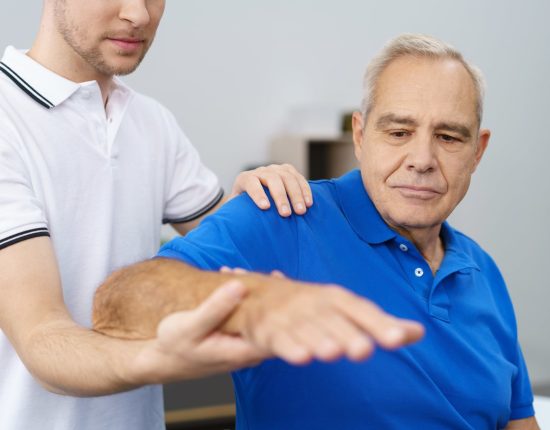
  5. Safe, Paced Activity: The program incorporates gentle, doctor-approved movement (like short walks or chair stretches) to maintain heart muscle strength without overexertion.

Life’s Essential 8 for Seniors

The AHA uses a framework called Life’s Essential 8 to simplify heart health for older adults. For a home care context, this usually focuses on:

Healthy Sleep: Emphasizing that seniors need 7–9 hours of quality rest to manage blood pressure.
Managing “The Numbers”: Using home care to track blood pressure, cholesterol, and blood sugar—often called the “silent” risk factors for seniors.
Social Connection: New for 2026, there’s a heavier emphasis on how social isolation in seniors directly increases the risk of heart disease and stroke.

Professional Home Care Integration

Many home care agencies align with AHA guidelines during February to provide:

  • Medication Reminders: Specifically for anticoagulants and blood pressure meds.
  • Heart-Healthy Meal Prep: Focusing on the “DASH” diet (low sodium) which is the AHA gold standard for seniors.
  • “Step-Stool” Exercises: Encouraging low-impact movement like chair yoga or 10-minute walks, which the AHA notes can reduce senior cardiac risk by up to 30%.

Benefits Of In-Home Care For Patients With CHF

Congestive Heart Failure (CHF) amongst Seniors is used as an umbrella term for a variety of conditions where the heart’s pumping or filling mechanics are impaired, primarily categorized as systolic failure (weak pumping) or diastolic failure (stiff filling). It encompasses chronic issues like coronary artery disease and hypertension, which gradually weaken the heart muscle, as well as valvular diseases that disrupt blood flow. The “congestive” label specifically refers to the resulting backup of fluid in the lungs or extremities, a common complication when these underlying conditions are left unmanaged. Ultimately, CHF represents the clinical endpoint where the heart can no longer meet the body’s metabolic demands for oxygen and nutrients.

Managing Congestive Heart Failure (CHF) requires ongoing attention, consistency, and the right level of support. In-home care allows patients to receive professional medical oversight while maintaining comfort, routine, and dignity at home. This approach supports better symptom control, reduces avoidable hospital visits, and helps patients maintain independence for as long as possible.

At Care Mountain, our 21 years of experience and zero state complaint record reflect our commitment to providing reliable, patient-centered CHF care across Dallas and Fort Worth. Our in-home CHF services are designed to support long-term heart health while easing the physical and emotional burden often placed on patients and their families.

Receiving care in a familiar environment helps minimize physical strain and emotional stress, both of which can worsen heart failure symptoms. Patients are better able to rest, follow daily routines, and manage fatigue when care is delivered at home, supporting greater stability and overall well-being.

In-home CHF care helps patients stay ahead of symptoms such as shortness of breath, swelling, fatigue, and weight changes. Regular monitoring and timely adjustments support better day-to-day management, helping patients feel more in control of their condition and reducing sudden health setbacks.

Consistent in-home oversight allows for early identification of warning signs before they become emergencies. By addressing concerns promptly and reinforcing proper self-management, in-home care helps reduce preventable hospitalizations and supports safer recovery at home.

Targeted therapy and daily assistance help patients conserve energy, improve endurance, and safely perform everyday activities. Maintaining strength and mobility supports independence, allowing patients to remain active participants in their own care and daily life.

CHF can place significant stress on family caregivers. In-home care provides reassurance that a trained team is overseeing the patient’s condition, reducing caregiver burden and helping families feel confident that their loved one is receiving appropriate, ongoing support.

By combining medical oversight, therapy, and education in a familiar setting, in-home CHF care supports long-term comfort, safety, and confidence. Patients benefit from a care approach that prioritizes stability, dignity, and sustainable heart health.

Professional Services Designed Around Individual Daily Care Needs

We provide a full range of in-home support, from hourly assistance to 24/7 care, designed to address the unique needs of patients living with Congestive Heart Failure (CHF). Our structured services help your loved one navigate daily life safely and comfortably, all within the familiarity of home.

  • Daily Living Support: Assistance with bathing, dressing, grooming, and mobility to maintain comfort and independence.
  • Medication Management: Ensures timely doses, monitors for side effects, and reduces the logistical burden on families.
  • Heart-Healthy Meal Preparation: Planning and preparing nutrient-rich, low-sodium meals tailored to heart health needs.
  • Light Housekeeping: Keeps the home clean, organized, and safe to prevent stress and accidents.
  • Transportation Support: Accompaniment to medical appointments and therapy sessions, ensuring safe and timely travel.
  • Consistent Companionship: Provides emotional stability through a reliable and familiar presence.
  • Education & Motivation: Reinforcing healthy habits, including activity moderation and medication adherence.
  • Stress Reduction: Offers reassurance and support to reduce anxiety and create a calming environment.
  • Vital Signs Tracking: Regular monitoring of weight, blood pressure, and other key indicators to track health stability.
  • Symptom Awareness: Observation of early warning signs, such as fluid buildup or fatigue, to prevent escalation.
  • Fall Prevention: Assistance with mobility and home adjustments to minimize the risk of injury.
  • 24/7 Observation: Continuous, professional monitoring to ensure prompt response to health changes, providing peace of mind for families.
  • Care Team Coordination: Maintains clear communication with nurses, physicians, and therapists for seamless care.
  • Progress Reporting: Provides regular updates on diet, energy levels, and overall condition to keep families informed.
  • Adaptive Care Plans: Collaborates with medical professionals to adjust the level of support as patient needs evolve, ensuring safety at every stage.

Contact us today for 24/7 support to help you or your loved one navigate heart failure care.

Experience, Compassion, and Care You Can Rely On

Managing a loved one’s health journey can be overwhelming, especially when complex care is involved. At Care Mountain, we combine over 21 years of experience with a zero-complaint record to deliver in-home care that families across Dallas and Fort Worth can truly rely on. Our team ensures your loved one receives consistent, expert support that promotes safety, independence, and comfort every day.

Our multidisciplinary team of skilled nurses, Certified Nursing Assistants, and licensed therapists works together to provide coordinated, personalized care. Through our specialized matching process, we pair your loved one with professionals whose skills and personalities fit their specific needs, ensuring continuity, trust, and stable, supported recovery.

You don’t have to navigate this journey alone. Our compassionate team provides guidance and reassurance at every step, giving families peace of mind and confidence that their loved one is safe, supported, and cared for with dignity.

Contact us today for unparalleled support and compassionate care.

Care Mountain enjoys the highest level of post-CHF recovery home care and rehabilitation expertise in the Dallas – Fort Worth TX area. 

We work closely with leading hospitals across DFW, including UT Southwestern for patients living with CHF diagnoses.

Download Our Free Guide

Best Practice safe transfer techniques for mid to late stage Parkinson’s

Download Our Free Guide

Best Practice safe transfer techniques for mid to late stage Parkinson’s

Download Our Free Guide

Best Practice safe transfer techniques for mid to late stage Parkinson’s